Stick Around: Why Every College Town's 2 AM Line Now Ends at a Filipino BBQ Cart
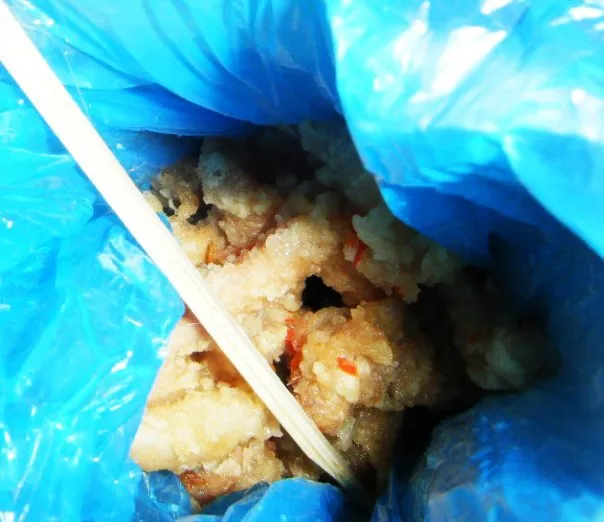
Photo: Kahluamadness, CC0, via Wikimedia Commons
There's a moment every college town knows. The bars hit last call, the rideshare surge pricing kicks in, and somewhere between the pizza slice and the gas station run, a smell cuts through everything: charcoal, soy, calamansi, a little sweetness riding the smoke.
That's not your average food truck. That's a Filipino BBQ cart, and if you haven't clocked it yet, it's already feeding half your campus.
The Cart That Never Sleeps
Scroll through any college food scene right now — the strip near UT Austin, the blocks around UC Irvine, the corridors of UMass Amherst — and you'll find versions of the same setup. Folding tables. A trusty Weber kettle or a custom-built grill on wheels. Skewers of marinated chicken thighs, pork belly, sometimes longganisa if the vendor's feeling generous. A sign handwritten on poster board that says something like "PORK & CHICKEN SKEWERS $3."
The business model is beautifully simple: cheap, fast, and positioned exactly where hungry people already are. But the reason students keep lining up goes deeper than a $3 protein hit.
"It's the closest thing to home I've found here," says one junior we talked to at a Friday night stand outside Irvine, three skewers deep. "My mom does this exact marinade. Banana ketchup, calamansi, a little 7UP in the mix. First bite, I almost called her crying."
Homesickness, it turns out, is a hell of a seasoning.
From Quiapo to the Quad
If you've never been to the Philippines, here's the context: street BBQ is not a trend there, it's infrastructure. Every barangay has its grill master. Skewers are sold by the stick, eaten standing up, at any hour, usually with a vinegary dipping sauce that'll wake up your whole face. Fish balls and kikiam get skewered on bamboo sticks and dunked into sweet-and-spicy sauce right on the cart.
What's happening on US campuses is a translation of that whole ecosystem. Vendors — many of them first-generation immigrants, some of them students themselves — are running the play they grew up watching. Stick by stick. Cash-friendly. Zero pretension.
And the crowds aren't just Filipino students. That's the part that signals a shift. The line outside these carts looks like the whole campus: athletes, frat guys, art students, the group of roommates who heard about it on TikTok at 1 AM and made it their entire personality.
Why Now?
Filipino food has been flagged as "the next big thing" for over a decade, and honestly, the mainstream mostly fumbled the handoff. Sisig keeps winning awards and then vanishing from menus. Ube had its moment and got reduced to a latte.
But the cart game skipped the gatekeepers entirely. No investors, no restaurant critics, no concept decks. Just fire, marinade, and foot traffic. And in a culture where Filipino hospitality is the whole brand — nobody leaves a Filipino gathering hungry — the cart isn't just selling food. It's selling the feeling of being fed by someone's family.
That's why the post-bar crowd adopted it. After a night out, you don't want fine dining. You want something smoky, slightly sweet, eaten with your hands while your friend explains the drama of the evening. The cart gets it. The cart has always gotten it.
The Social Anchor Effect
Here's what makes these carts different from every other late-night option: they linger. Nobody speed-runs a skewer. You post up, you dip, you talk. It's the same logic as the tambay culture the carts came from — hanging out isn't a waste of time, it's the whole point.
Students have started building their weekends around them. Some carts have group chats with hundreds of members just to announce when the grill lights up. One vendor in Austin told us he knows regulars by their orders, not their names.
That's not a food business. That's a third place with charcoal burns.
Pull Up While You Can
The usual cycle says the carts get discovered, the rents go up, the vibe gets commercialized. But Filipino street food has survived colonization, economic collapse, and being mispronounced on every cooking show — it'll survive a TikTok trend.
So next Friday, when you're stumbling out of the function and smell that smoke, follow it. Get two sticks. Get the vinegar on the side.
Kain muna. Eat first. Everything else can wait.