Love, Packed to the Brim: What the Balikbayan Box Taught TikTok About Gifting
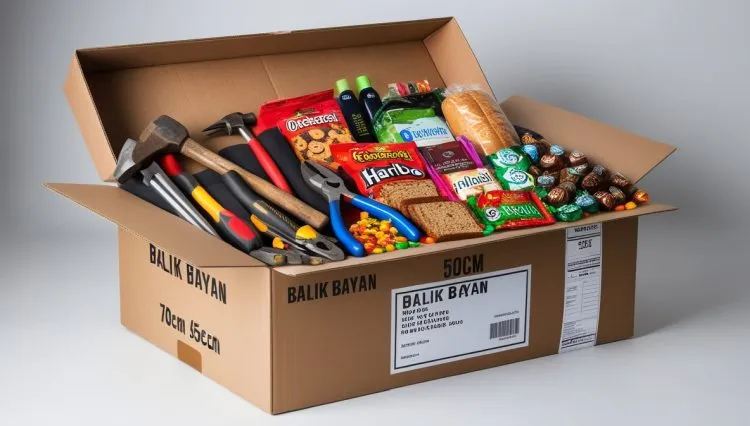
Photo: filipino family packing balikbayan box care package cardboard box filled with goods, via www.living-in-the-philippines.com
There's a specific sound every Filipino kid knows: the rip of packing tape on a cardboard box that's been sitting in the living room for a month, getting heavier by the week as Tita after Tita adds "just one more thing."
That box — the balikbayan box — is the original haul video. It's the blueprint for maximalist gifting, the anti-minimalist manifesto your favorite decluttering influencer doesn't want you to see. And lately, it's having a moment in American culture that nobody planned.
What Even Is a Balikbayan Box?
Quick history for the uninitiated. In the 1970s, the Philippine government created a program for overseas Filipinos, and the balikbayan box ("balikbayan" roughly means "returning to one's country") became its physical symbol: a large cardboard box, shipped home, stuffed absolutely to capacity with goods for family back in the Philippines.
We're not talking about a tasteful gift basket. We're talking about a box packed with the physics-defying density of a black hole. Spam and corned beef. Shampoo bottles wedged into every gap. Shoes, vitamins, chocolates, a rice cooker if it fits, towels rolled like ammo. Clothes for cousins you've never met. A toothbrush for the neighbor's kid.
The packing itself is a competitive sport. Vacuum-sealed bags. Socks stuffed inside shoes. Items nested like Russian dolls. If there's a centimeter of dead space, you've failed. You send love by the pound, and you send as many pounds as the airline allows.
The Unboxing Content Machine
Now scroll TikTok. The biggest content genre of the decade — the unboxing, the haul, the "come pack an order with me" — is essentially the balikbayan box aesthetic without the cultural footnote.
The difference? Intent. The haul video is usually about acquisition: look what I bought, envy me. The balikbayan box was always about transmission: look what I'm sending, miss you, eat well, stay warm.
That distinction matters, and Fil-Am creators are starting to articulate it. There's a whole wave of second-generation content — opening boxes with parents, documenting the annual pack, explaining to confused roommates why a single box contains fourteen pounds of instant noodles and one (1) very specific brand of soap that "the family back home asked for."
The comments sections are full of non-Filipino viewers having a mild crisis. Wait, your family ships a box across the ocean twice a year? Full of groceries? For people who could technically buy groceries? Correct. Because the point was never efficiency. It was presence.
Abundance Culture vs. American Consumerism
Here's the tension worth sitting with: the balikbayan box looks, from the outside, like pure consumption. Dozens of products, brand names everywhere, sheer volume.
But look closer and it's the opposite of throwaway culture. Nothing in that box is casual. Every item was requested, remembered, or hunted down. Tita doesn't send generic shampoo — she sends your shampoo, the one you mentioned once in 2019. The box is a database of attention.
That's what makes it such a sharp contrast with the American default of gift cards, subscription boxes, and Amazon speed. The US gifting economy optimizes for convenience: don't know what they like? Here's a QR code. The balikbayan box optimizes for effort and specificity, even when it's inconvenient. Especially when it's inconvenient.
There's also the thrift angle. Fil-Am thrift culture — the ukay-ukay connection, the Goodwill hauls, the vintage resellers on Depop — runs on the same nothing-goes-to-waste logic. A balikbayan box never contains "just because" filler. Everything has a destination. Fast fashion's problem was never buying too much; it's buying without a person in mind.
The Aesthetic, Formally Known as 'Ate Packed That'
Design-wise, the balikbayan box look is quietly everywhere: chaotic maximalist flat-lays, "shelfies" packed edge to edge, the layered thrift fit, the tote bag stuffed with smaller bags. Call it intentional clutter. Call it love as visual density.
Even the gifting economics are shifting. Younger Fil-Americans are adapting the format — shipping "mini balikbayan boxes" to friends during finals week, filling care packages for college freshmen, packing boxes for LA wildfire relief or typhoon drives back home. The tradition is portable. The logic scales.
And honestly? It tracks with everything else this generation is into. The potluck over the reservation. The group chat that functions like a family plan. The corner store that stocks exactly what the block asked for. Specificity over scale. People over convenience.
Pack Accordingly
So the next time you're tempted to send someone a generic gift card, ask what Tita would do. She'd know your favorite snack, your sibling's shoe size, and exactly how much vacuum bag space a comforter takes.
The balikbayan box was never really about the stuff. It was proof that somebody, somewhere, was thinking about you in exhaustive, itemized detail — and willing to pay international shipping to say so.
That's not consumerism. That's a love language with a customs declaration form.
Pack tight. Leave no gaps. Send it home.